



The Glock 19 fits more people than almost any handgun on the market, but that doesn’t mean every body type carries it the same way. Your waistline height, torso length, midsection shape, belt tension, and natural posture all influence how well you conceal it and how comfortable your daily carry feels. The right setup matters more than the gun itself.
This guide breaks down how different body types interact with iwb holsters glock 19 setups, which adjustments create the biggest comfort improvements, and how Houdini Holsters’ Breakout system adapts to your shape instead of fighting it.
If you want to understand how to choose the right holster for real-world bodies—not idealized ones—this is the breakdown you need.
For related Glock fit posts, check out:
• Best IWB Holsters for Glock 19 (2025): https://houdiniholsters.com/blogs/news/best-iwb-holsters-for-glock-19-2025
• Body-Type Fit for Glock 43X: https://houdiniholsters.com/blogs/houdini-blog/how-to-choose-the-right-glock-43x-holster-for-your-body-type
• Most Comfortable Glock 17 Carry: https://houdiniholsters.com/blogs/houdini-blog/the-most-comfortable-iwb-holster-for-glock-17-tested-by-real-carriers
Why Body Type Impacts Glock 19 Concealment More Than Gun Size
The Glock 19 is compact enough for most people to conceal, but the limiting factor isn’t the gun—it’s body geometry. Depending on your torso, abdomen, and belt position, the grip angle and muzzle direction change dramatically.
Your body type affects how the holster rotates, how much the grip prints, and where pressure builds. When a holster wasn’t designed to flex with these variations, comfort falls apart fast. This is why iwb holsters glock 19 need adjustability, not just retention.
The Houdini Breakout 1.0 and Breakout 2.0 shine because they solve real-world fit problems instead of assuming every body is the same.
High Waistlines vs Low Waistlines: How Belt Height Changes Everything
Your natural belt height determines holster position more than your preferred carry style.
High waistlines create a steeper angle when appendix carrying. The muzzle points inward more, and the grip tends to flare. This requires:
• Adjustable cant
• A wedge that kicks the muzzle outward
• A belt that micro-adjusts without pressure spikes
Low waistlines give you a flatter angle. The muzzle sits lower, and the grip stays closer to the body. But low waistlines put more pressure on the holster when bending.
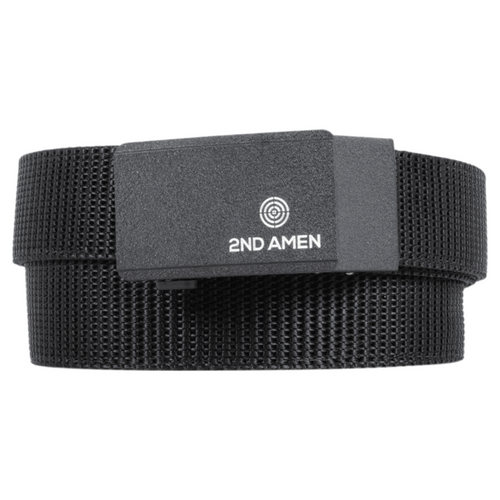
The Tactical Heavy-Duty Ratcheting Gun Belt solves this by letting you adjust tension instantly—tighten for standing, loosen for sitting—without sacrificing holster stability.
Belt link: https://houdiniholsters.com/products/tactical-heavy-duty-ratcheting-gun-belt
If you want to learn more about belt fit and concealment, read:
https://houdiniholsters.com/blogs/news/size-right-conceal-better-how-to-cut-and-fit-a-ratcheting-gun-belt-for-edc
Slim Athletic Builds: Where the Glock 19 Sits Best
Slim carriers often struggle with two problems:
• Holsters that sit too deep
• Grips that tilt outward because there’s less abdominal mass to stabilize the holster
Appendix carry works best for this body type with iwb holsters glock 19 because the Breakout 2.0 wedge rotates the grip inward, creating natural concealment without pressure points.
Ideal setup for slim carriers:
• Breakout 2.0 IWB
• Slight forward cant
• Slightly higher ride height
• Ratcheting belt tension at medium firmness
Breakout 2.0 link:
https://houdiniholsters.com/products/brand-breakout-2-0-iwb-holster-rapid-access-complete-concealment-and-all-day-comfort
For comparisons of Glock 19 concealment and carry, read:
https://houdiniholsters.com/blogs/houdini-blog/finding-the-best-glock-19-holster-for-comfort-and-concealment
Midsection Weight or “Dad Bod”: Why Appendix Carry Works Better Than You Expect
Many carriers assume appendix doesn’t work well if they have extra midsection weight, but the opposite is usually true. More soft tissue gives the holster a natural pocket to sit in, reducing grip flare and improving concealment. The key is pressure relief.
This body type needs:
• A wedge to angle the muzzle correctly
• A holster with strong grip tuck
• Micro-adjust belt tension to avoid compression discomfort
The Breakout 2.0 excels here because the wedge and claw (if desired) naturally rotate the grip inward and prevent printing. When paired with a ratcheting belt, the holster stays put even as you sit and stand repeatedly.
For tips on comfort-first setups, see:
https://houdiniholsters.com/blogs/news/lock-in-comfort-iwb-holster-for-glock-17
Lean With Longer Torso: Why Ride Height Matters Most
A longer torso changes where the holster sits relative to your natural bend. If the holster rides too low, the grip may sit below the belt line when you lean. Too high and the muzzle digs into your abdomen.
The Breakout 1.0 offers a clean, simple profile that works well here, especially if you prefer a claw-free design. Its Kydex clip gives stable retention without pulling the holster upward during movement.
Breakout 1.0 link:
https://houdiniholsters.com/products/breakout-2-0-iwb-holster-rapid-access-complete-concealment-and-all-day-comfort-copy-5
This body type benefits from a mid-height ride, moderate belt tension, and slightly neutral cant.
Broad Hips or Strong Athletic Build: Why Some Prefer Hip Carry Over Appendix
Appendix is ideal for most carriers, but some body types feel more balanced with strong-side IWB around 3–4 o’clock. Broad hips can keep the grip from rotating inward naturally, causing extra printing in appendix carry. Hip carry smooths this out for some.
The Glock 19 conceals well at the hip with the Breakout 1.0 IWB because of its clean profile and predictable draw stroke. But if mobility matters more—especially for extended sitting—the Breakout 1.0 OWB offers a close-body fit that keeps things smooth and easy to conceal under a jacket or flannel.
Breakout 1.0 OWB link:
https://houdiniholsters.com/products/tactical-heavy-duty-ratcheting-gun-belt
If you’re undecided between positions, this Glock 19 article may help:
https://houdiniholsters.com/blogs/news/glock-26-vs-glock-19-iwb-holster
How Your Midsection Shape Affects Grip Printing
Printing usually happens because the grip tilts away from the body. Body type determines where this tilt occurs.
If your abdomen curves outward, you need stronger grip tuck (Breakout 2.0).
If your abdomen is flatter, you need cant adjustment (Breakout 1.0 or 2.0).
If your waist narrows at the belt line, you need a wedge to counter upward rotation.
Printing also increases when belt tension is inconsistent. Ratcheting belts solve this with incremental detents so your iwb holsters glock 19 setup doesn’t shift during the day.
Holster comparison resources:
• Best Glock 19 Holster Picks: https://houdiniholsters.com/blogs/houdini-blog/best-iwb-holsters-glock-19-buyer-picks
• Budget-Friendly Glock 19 Holsters: https://houdiniholsters.com/blogs/houdini-blog/budget-friendly-iwb-holsters-for-glock-19-that-don-t-cut-corners
Appendix vs Hip Carry: Which Body Types Prefer Each?
Appendix works best for:
• Slim builds
• Midsection weight
• High or low waistlines
• Shorter torsos
• Anyone who drives often
• Anyone who values fastest draw speed
Hip carry works best for:
• Broad hips or muscular frames
• People who bend sideways frequently
• Carriers who dislike front-of-body pressure
Appendix is generally the better option for iwb holsters glock 19 because of quick access and easier concealment. But strong-side carry remains a solid alternative for certain shapes and certain clothing styles.
More carry-style guidance:
https://houdiniholsters.com/blogs/houdini-blog/can-you-conceal-carry-a-glock-19
Why Belt Tension Profiles Should Change With Your Body Type
The biggest mistake carriers make is setting belt tension the same no matter their body type or activity. Each shape needs a different approach.
Slim carriers need moderate tension to keep the holster from shifting upward.
Midsection weight carriers need slightly looser tension while sitting and firmer tension while moving.
Broad hips need firm tension to prevent outward grip rotation.
Long torsos need consistent tension so ride height doesn’t change during movement.
The Tactical Heavy-Duty Ratcheting Gun Belt gives you this flexibility instantly.
Best Holster Picks for Each Body Type
Breakout 2.0 IWB
• Best for appendix carry
• Best for midsection weight
• Best for smallest-print concealment
• Fastest draw stroke
Breakout 1.0 IWB
• Best for slim frames
• Best for hip carry
• Best for those who prefer claw-free setups
Breakout 1.0 OWB
• Best for carriers who sit all day
• Best for larger builds needing more mobility
• Best for jacket carry
https://houdiniholsters.com/products/tactical-heavy-duty-ratcheting-gun-belt
FAQ
Is the Glock 19 good for appendix carry across body types?
Yes. With proper cant, wedge, and belt tension, most body types conceal the Glock 19 very well appendix-style.
Which holster is best if I have a larger midsection?
The Breakout 2.0 IWB offers the best combination of wedge support, grip tuck, and comfort for this body type.
Does ride height matter for different torso lengths?
Yes. Shorter torsos benefit from slightly higher ride height, while longer torsos need a mid-height position for comfort.
Does hip carry work with the Glock 19?
Strong-side IWB works well for broader hips or athletic builds that struggle with appendix pressure.
Do I need a ratcheting belt?
A ratcheting belt improves comfort and concealment for all body types because it prevents tension spikes and shifting.
Is OWB an option for concealed carry?
Yes. The Breakout 1.0 OWB stays close to the body and conceals well under outer layers.
Build Your Ideal Glock 19 Carry Setup Today
Your body type dictates the angle, pressure, and concealment of your holster. With the Breakout 1.0, Breakout 2.0, and the Tactical Heavy-Duty Ratcheting Gun Belt, you can build a glock 19 setup that adapts to you—not the other way around. Find the configuration that fits your body naturally and carry with confidence every day.